

Pulper
Pulper is a process for mixing and dissolving the raw material. Gear oil and lubricant are used in the reducing gears and bearings.

Digester
Digester is a process to cook wood chips and extract pulp. Hydraulic dumper is used for the material loading and adjustment. The fluid reservvoir is positioned at elevated location, near the dumper.

Press Part
It is a dewatering process by pressing paper. There is a type of standard roll bearings and another type of using precision controlled roll such as controlled crown roll.

Dryer Part
It is a process of drying paper. There are many rolls with high temperature and pressured steam. There are hundreds of bearings in this part.

Coater
It is a process of continuous application and drying of chalk and clay on the paper surface. Most of the coating process controls are done by precision hydraulic system.

Calendar
It is a part to polish the surface of paper to make it glossy. Paper runs vertically positioned rolls. Hydraulic system is used for pressure adjustment of the rolls.

Generator
This part generates electricity by steam produced from a biler. Generated electricity is used within the factory and sometimes sold to external electricity company. Lubrication system is incorporated for bearings and reduction gears of turbine.

Other applications
Devices using hydraulic system such as; winder, truck dumper, bales press.
Devices using dedicated compressor oil such as; screw compressor, vacuum pump.
Turbo compressor, high pressure cleaning water pump which use turbine oil and gear oil.
Proven results, measured in the oil
Miracle Boy cleans hydraulic, lubricating and gear oil continuously, keeping it at the cleanliness level the machine needs. These are real filtration results from marine, offshore, crane and shipyard customers, measured with laboratory oil analysis before and after filtration.
Particle counts are as reported in each customer's oil analysis report.
The basics of oil properties
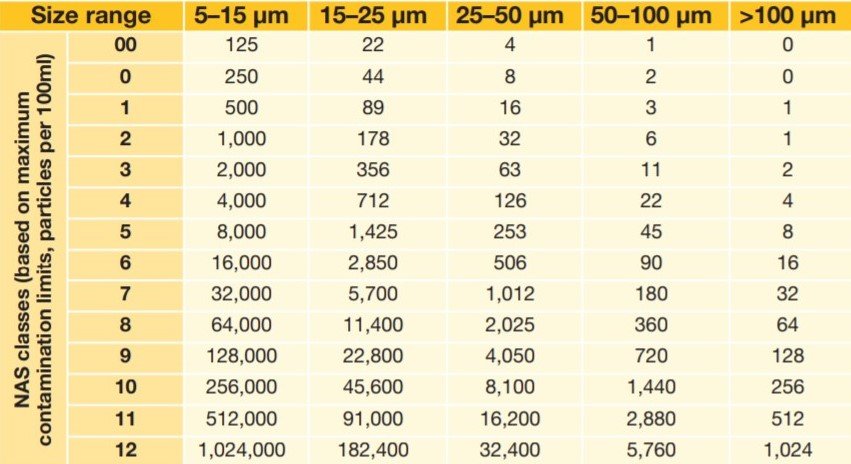
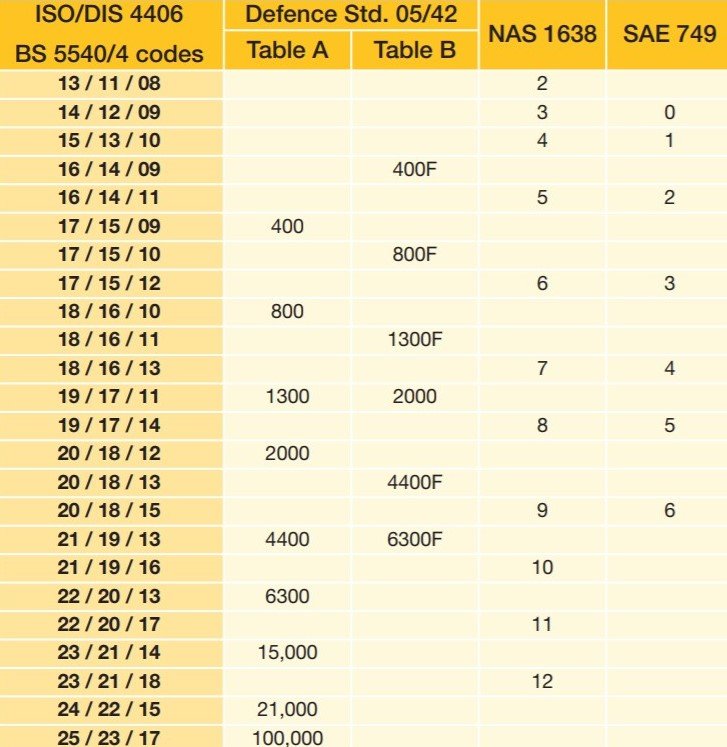
Oil cleanliness is graded by the number of particles of each size in a sample. The NAS 1638 class is one of the most widely used grades, and the lower the class number, the cleaner the oil. The tables below help you find the cleanliness level your equipment needs.
NAS 1638 cleanliness classes
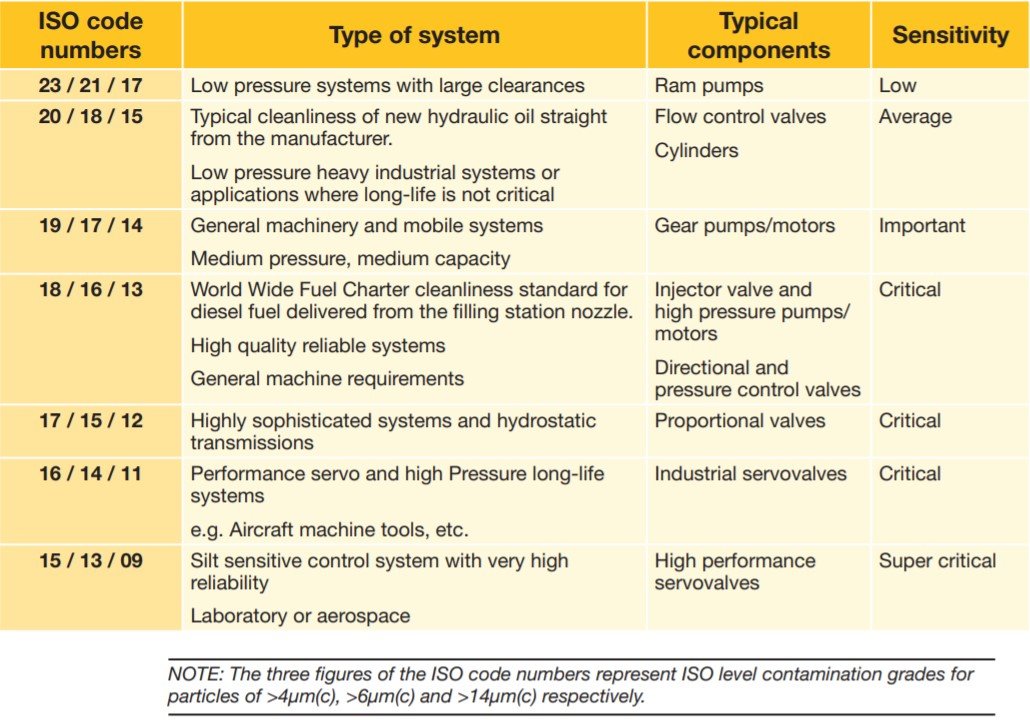
Suggested cleanliness by type of system
Systems with tight clearances, such as servo and proportional valves, need cleaner oil than general machinery. Use the table to compare ISO codes with the type of system and its sensitivity to contamination.
ISO / NAS / SAE code comparison
Does filtration remove oil additives?
A common claim is that external filtration strips additives out of the oil. In practice it does not.
Additives are far smaller than the filter
Additives are dissolved in the base oil. Their molecules are much smaller than the micron rating of Miracle Boy filter elements, so filtration cannot remove them.
Contamination is what depletes additives
Metal particles and water speed up oxidation and degrade the oil. As oxidation and sludge build up over time, the additives are used up.
Clean oil keeps its additives longer
Keeping oil at NAS 4 to 6 instead of NAS 10 to 12 means the additives stay active longer, and the oil life is extended.
TAN, contaminants and water
TAN (Total Acidity Number)
TAN is the acidity level of the oil and rises as the oil oxidises. When it reaches about 2.00 mg KOH/g, an oil change is normally required.
Hard and soft contaminants
Hard contaminants are dirt, debris and wear particles. Soft contaminants are oil degradation by-products. Sludge and varnish come from oxidation and deposit on lubrication system surfaces over time. Air, water, catalysts and high temperatures speed this up.
Water
Water shortens the life of hydraulic machinery. It causes corrosion and fatigue wear by entering microscopic pores. Moisture also leads to rust inside the tank top, which falls into the oil. Bacteria that grow in water can break down the oil additives.
Successful projects and testimonials
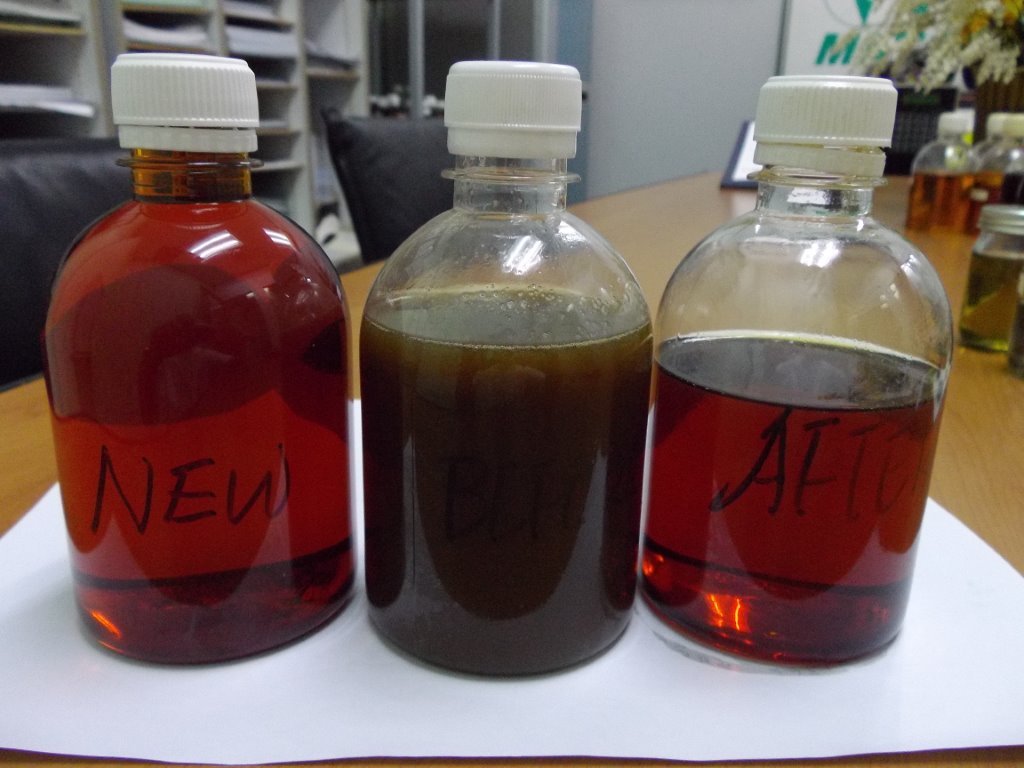
Each case below shows the oil condition as new oil, before filtration, and after Miracle Boy filtration. In every case the filtered oil returned to normal working ranges.
ENSCO PLC
Miracle Boy 8-hour filtration test
| Particles per size | New oil | Before | After 2 hrs | After 8 hrs |
|---|---|---|---|---|
| >2µm | 3,422 | 75,805 | 82 | 14 |
| >5µm | 723 | 58,879 | 38 | 4 |
| >15µm | 64 | 19,794 | 16 | 1 |
| Oil condition | New oil | Before | After 2 hrs | After 8 hrs |
|---|---|---|---|---|
| TAN (mg KOH/g) | 0.27 | 3.95 | 3.84 | 0.72 |
| Water content | 789 | 1,489 | 914 | 819 |
SEADRILL Management
| Particles per size | New oil | Before | After |
|---|---|---|---|
| >4µm | 310 | 25,720 | 241.3 |
| >6µm | 145 | 4,710 | 153.8 |
| >14µm | 28.8 | 143 | 36.3 |
| >21µm | 12.5 | 88 | 13.8 |
| Oil condition | New oil | Before | After |
|---|---|---|---|
| TAN (mg KOH/g) | 0.44 | 0.64 | 0.45 |
| Water content | 0.019 | 6 | 0.013 |
Favelle Favco Cranes
| Particles per size | New oil | Before | After |
|---|---|---|---|
| >2µm | 722 | 76,626 | 93 |
| >5µm | 113 | 43,634 | 25 |
| >15µm | 7 | 4,150 | 3 |
| Oil condition | New oil | Before | After |
|---|---|---|---|
| TAN (mg KOH/g) | 0.63 | 0.54 | 0.46 |
| Water content | 266 | 5,473 | 58 |
Keppel Shipyard
Shell Omala 220
| Particles per size | New oil | Before | After |
|---|---|---|---|
| >2µm | 5,582 | 89,576 | 188 |
| >5µm | 1,985 | 40,685 | 66 |
| >15µm | 127 | 1,157 | 8 |
| Oil condition | New oil | Before | After |
|---|---|---|---|
| TAN (mg KOH/g) | 0.51 | 0.25 | 0.18 |
| Water content | 77 | 205 | 64 |
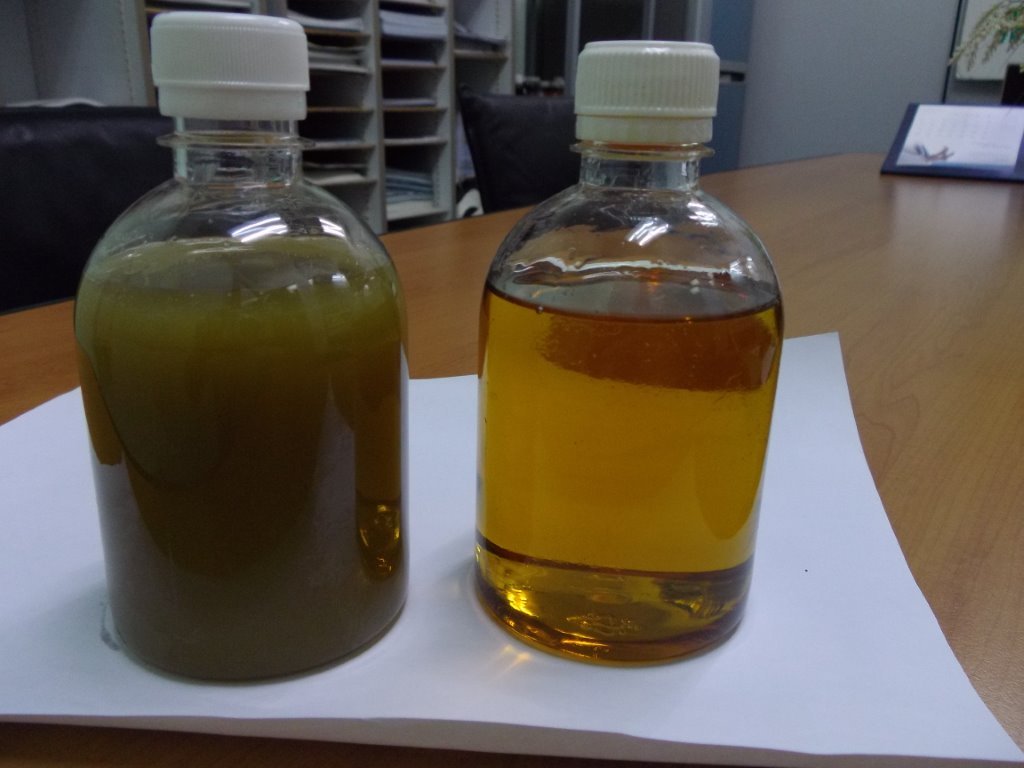
Oil samples
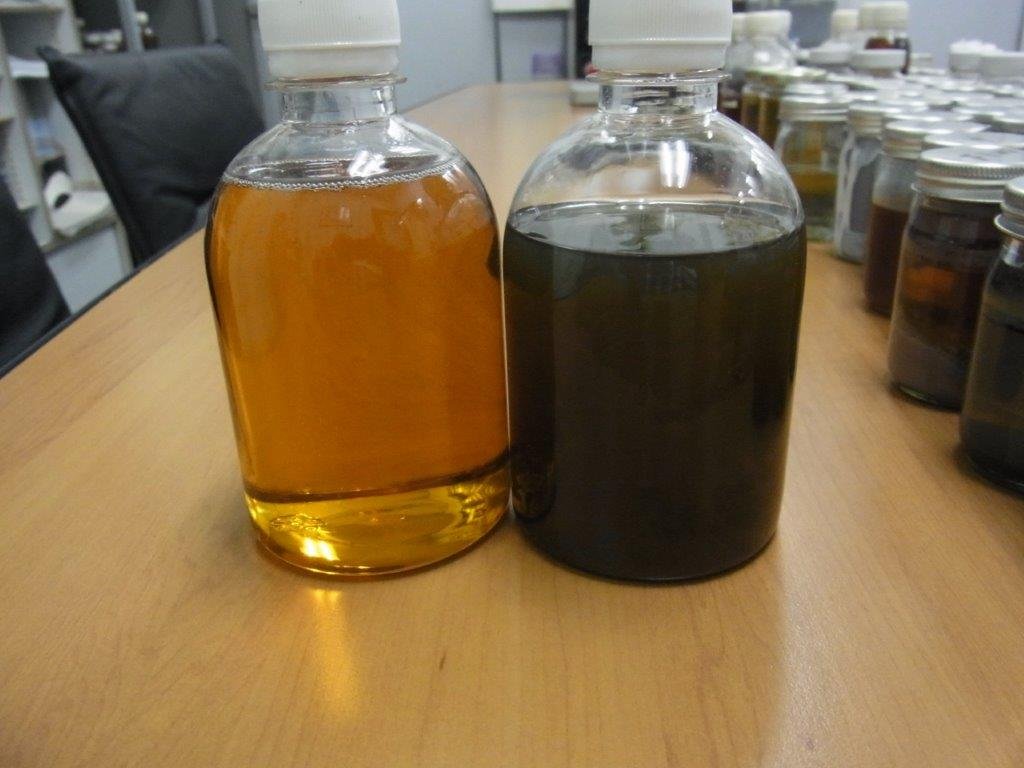
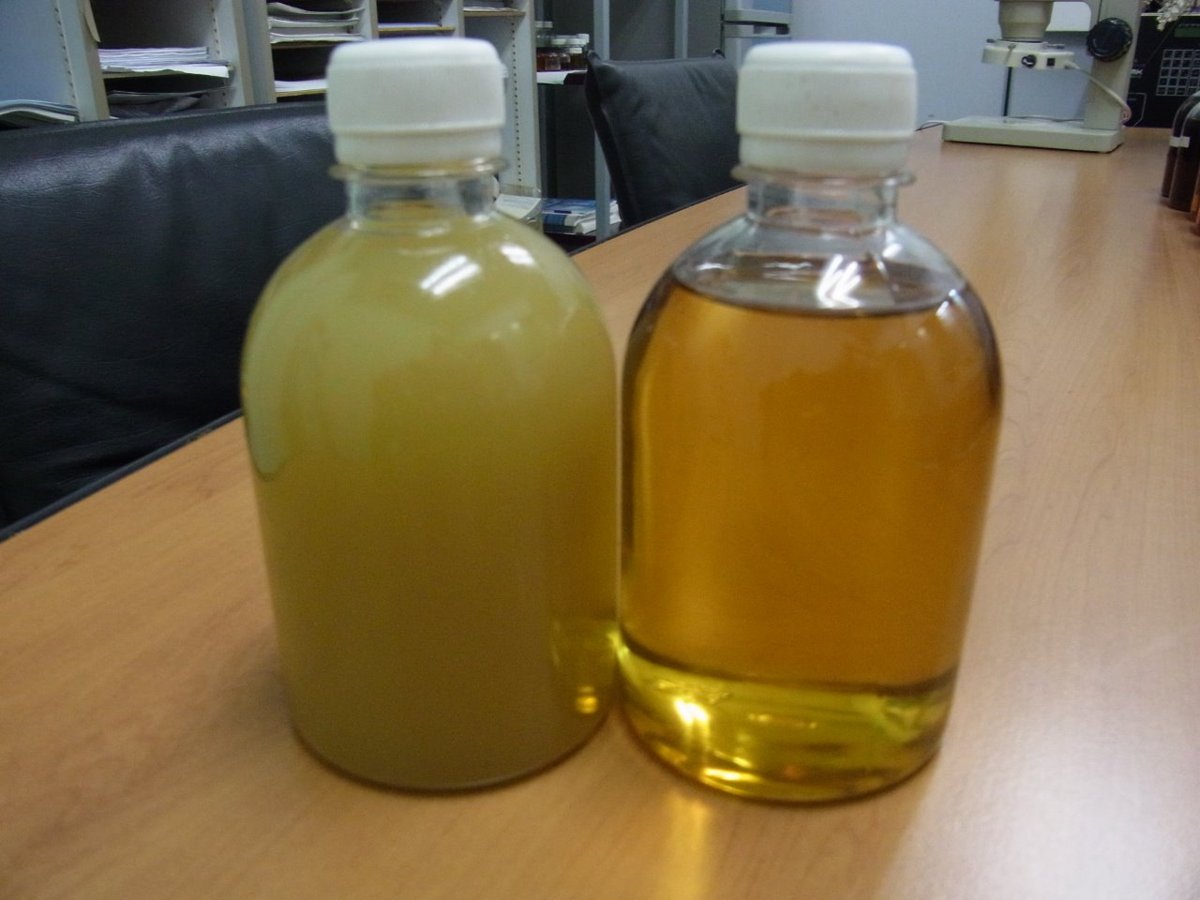
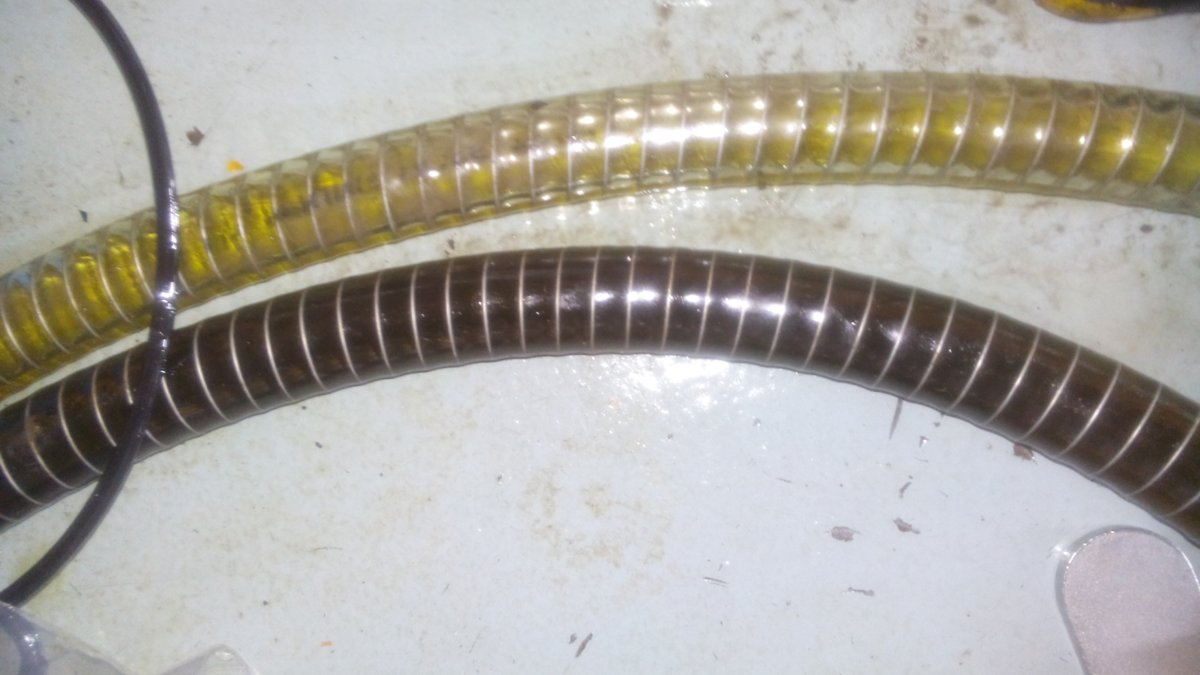
The difference is visible to the eye. These photos show oil samples taken during Miracle Boy filtration projects.
See what Miracle Boy can do for your oil
Talk to us about your hydraulic, lubricating or gear oil, and we will help you find the right Miracle Boy model.